1. COMMITTING AND EMPOWERING
Objective: sustainably sourcing 75% of Botanical raw materials (BRM) by 2030
Percentage of BRM volume sustainably sourced (%)
Established in 2024, SILAB's definition of Botanical Raw Materials sustainability is based on:
- compliance with laws regarding biodiversity,
- compliance with the regulation (EU) 2023/1115 on deforestation and forest degradation,
- addressing at least 50% of the 12 sustainability criteria defined internally.
In order for SILAB to achieve its objective, we plan to continue assessments and support producers to implement more sustainable farming practices.
Formalizing its commitments
SILAB has formalized a responsible purchase policy named “Purchasing Carefully” and has been committed to several recognized external organisations such as the Sustainable Procurement and Supplier Relations Charter (RFAR), the Conseil national des achats (CNA - National Purchase Council) or the Union for Ethical BioTrade (UEBT - Sourcing with respect).
For more information, discover the dossier: Supporting suppliers toward sustainable commitments
Empowering suppliers in the sustainable performance strategy
The company empowers its suppliers through:
- the signature of the Responsible Purchasing Charter,
- a supplier survey,
- annual assessments.
For more information, discover the dossier: Supporting suppliers toward sustainable commitments
Guaranteeing wild resources durability
Wild Botanical Raw Material suppliers are committed to our good practices of Wild Harvest Charter which guarantees well-thought-out harvests respecting the regeneration cycles and plant genetic diversity. Beyond the ecological aspect, this framework protects local savoir-faire.
2. SELECTING
Respecting regulation, quality, and sustainability specifications
Each Botanical Raw Material is subject to a rigorous selection:
- relying on strict internal specifications,
- complying with international cosmetic regulations,
- respecting the laws on biodiversity.
Respecting laws on biodiversity
SILAB actively commits to preserving biodiversity by scrupulously respecting the Nagoya protocol and laws on biodiversity regarding genetic resources, fair, and equitable sharing of the advantages resulting in using them.
3. AUTHENTIFICATING
More than 10 years ago, SILAB created a central natural raw material laboratory. Its main mission was to secure botanical materials both intended to manufacture existing active ingredients and develop future active ingredients.
100%
of Botanical Raw Materials have been identified and characterized in 2025
Identification and characterization analyses were conducted on all botanical raw material batches received to guarantee quality and conformity.
- Identification
The macroscopic and microscopic botanical test enables the company to check the plant identity and the part received and rapidly detect possible adulteration.
Since 2021, SILAB has also been able to internally use molecular barcoding technique in order to identify plant species at genomic level.
- Analytical characterization
Techniques like HPLC, GC-MS/MS, LC-MS/MS, HPTLC or even colorimetric dosages are used by SILAB to check the presence of expected active molecules.
This multidisciplinary technical approach is correlated with all data mentioned in the raw material specifications which can give details on the geographical origin, traceability, cultivation programs, etc.
Suppliers are deeply aware of these growing expectations so that they can guarantee the batches received are in compliance with specifications. This approach proves to be efficient as shows the satisfactory acceptation rate despite criteria ever stricter.
76%
of batches were accepted in 2025
4. TRACING
SILAB has set the objective to achieve an “optimal” traceability level for all its Botanical Raw Material supply chains. This level has been defined for each material type according to precise criteria in order to consider operatives’ technical and economic realities:
- Source: distinguishing farmed raw materials from wild ones which do not have the same supply chain organizations,
- Transformation: taking into consideration Botanical Raw Material state (not transformed, transformed) implying more or less intermediary steps,
- Nature: qualifying each Botanical Raw Material whether it is waste, a co-product, or a traditional raw material. For example, seedcake generally needs implementing loads of raw materials possibly coming from several producers that harvested it on several crops.
Percentage of BRM supply chains traced at an optimal level based on 3 years of receipts (%)
5. REDUCING IMPACTS
Using upcycled Botanical Raw Materials
SILAB creates value from farming resources by using upcycled Botanical Raw Materials that corresponds to “materials inevitably generated during the same manufacturing process of a product”.
Co-products or waste provide beneficial concentration in active molecules of interest and generate additional sales for the producer.
This approach also reduces the environmental footprint related to Botanical Raw Materials making them part of a circular economy.
18
natural ingredients came from upcycled Botanical Raw Materials in 2025
Examples:
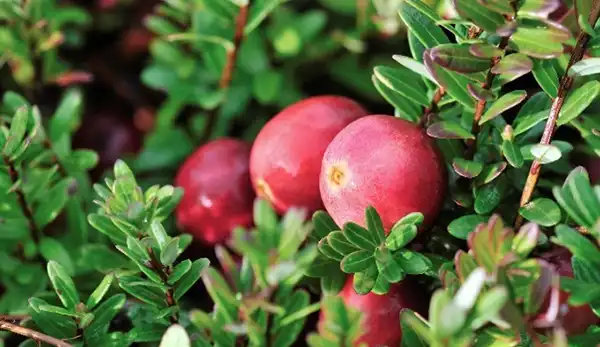 Cranberry seedcake (PEPTILIUM®)
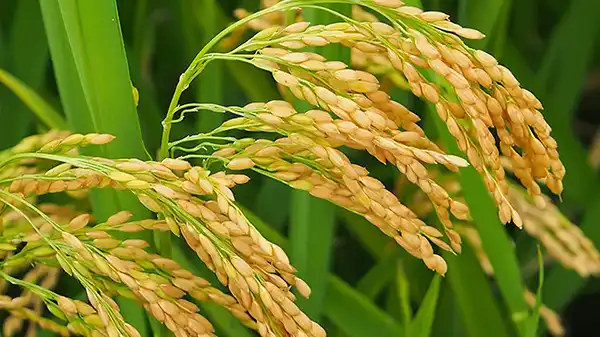 Rice husks (ERISIUM®)
Opting for French supply chains
SILAB promotes French local producers to develop new active ingredients.
The company also supports producers in diversifying their crops by supporting them agronomically (for example with the creation of cultivation itinerary for new productions).
This close collaboration guarantees traceability, reduces carbon footprint, and gives value to savoir-faire while boosting local economy.
57.6%
of the volume of Botanical Raw Materials supplied in 2025 were harvested in France
2 supply chains
have been relocalized in France or in Europe between 2024 and 2025
Examples:
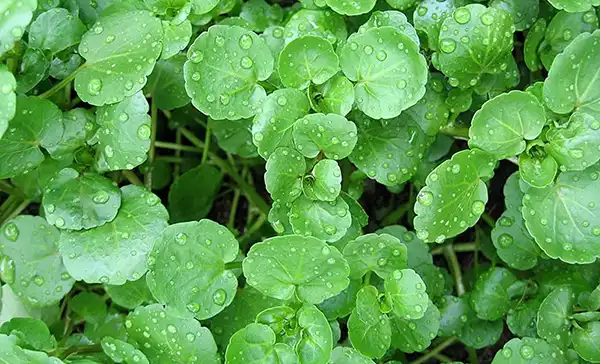 Watercress (MYOLINE®)
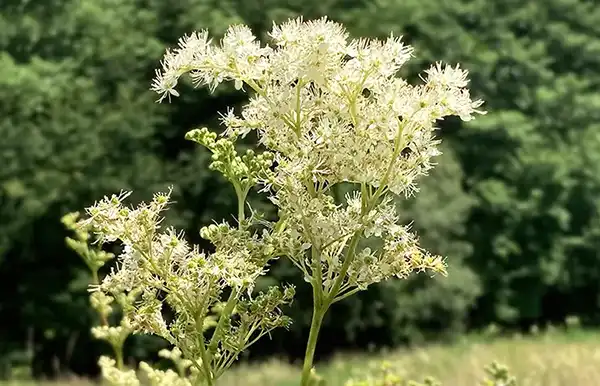 Meadowsweet (DEOLYA®, DERMAPUR®, SEBONORMINE®)
Promoting organic agriculture certified supply chains
SILAB chooses to opt for organic agriculture certified supply chains, when possible, even when manufacturing non-certified products, despite the price difference with traditional materials. This position promotes the development of crops that are more respectful of humans and natural balances.
49.5%
of the volume of Botanical Raw Materials supplied in 2025 came from organic agriculture
Examples:
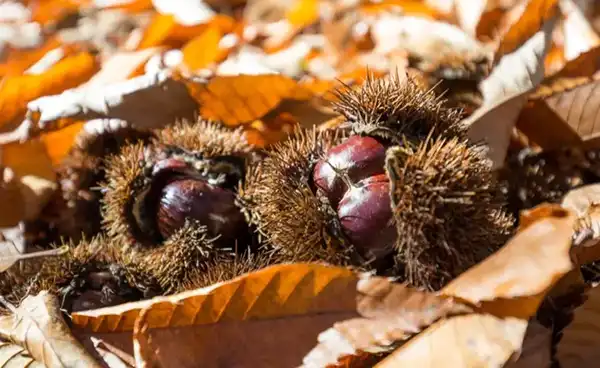 Chestnut (RECOVERINE® and LIFTILIENCE®)
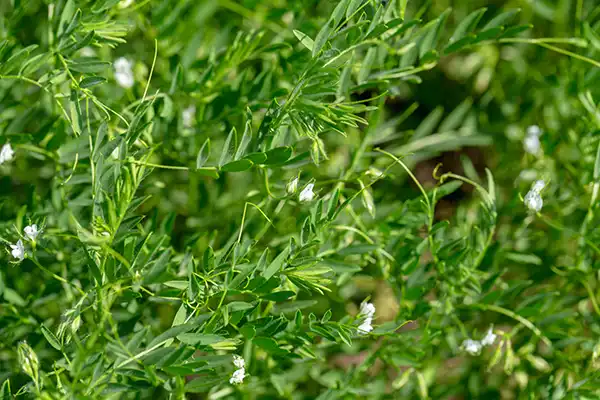 Green lentil (p-REFINYL®)
Conducting farming tests
SILAB owns its own Agronomic studies and research center (Centre de recherche et d’études agronomiques: CREA) implemented next to its single site located in Saint-Viance.
The CREA spreads across 5 hectares and has 6,000 m2 of farming tunnels. Its aim is to strengthen partnerships with producers collaborating with SILAB by providing them with technical support and regular follow-ups for various issues they may face:
- mastering plant and seed production to provide the producers with the species to farm,
- testing and acclimatizing new crops on the territory,
- developing cultivation itinerary to improve supply securing and their environmental impact,
- exploring optimal transformation parameters for Botanical raw material quality.
7
employees in 2025
10
Botanical raw materials were studied in 2025
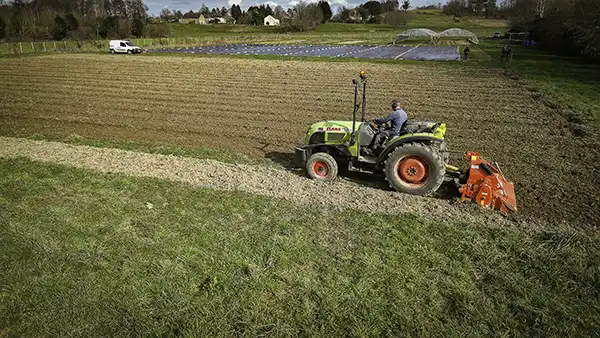 Agronomic studies and research center (CREA)
6. LIMITING RISKS
Mastering deforestation risk
Several Botanical Raw Materials are likely to contribute to deforestation. To master this risk, SILAB has:
- identified raw materials that may be concerned,
- selected French or European certified supply chains,
- communicated: SILAB received a B score from the CDP on deforestation challenges in 2025.
Example:
PRO-COLL-ONE+®, RAFFERMINE®, RIDULISSE C® are made from soya:
- French seedcake, coming from organic agriculture certified crops,
- European fibers, coming from Proterra certified crops.
Assessing and improving the sustainability of supply chains
In 2022, SILAB implemented a Responsible Sourcing System (RSS) dedicated to assessing the sustainability of Botanical Raw Materials supply chains. This global system enables rigorous supply chain follow-ups and the implementation of global and/or specific action plans to improve the sustainability of supply chains. It relies on tools such as:
- the Origin Risk Analysis (ORA): a tool assessing supply chain CSR risks according to their countries of origin and recognized databases,
- the Evaluation Grid for Supply Chains (EGSC): a major tool based on an evaluation grid designed by our team. It was benchmarked by a third party with three reference sources recognized in sustainable sourcing,
- external assessment by specialized organisms.
24
supply chains audited with the RSS tool since its creation and as of end-2025
Relying on external standards
In order to guarantee strong ethics of our Botanical Raw Material supply, SILAB is UEBT - Sourcing with respect member and uses this standard. The analysis addressed social and environmental impacts, while placing biodiversity at the heart of its priorities.
According to the level of maturity and the identified needs, this framework organizes two distinct approaches: UEBT verification and UEBT certification, leading to concrete action plans.
19
supply chains were verified by the UEBT as of end-2025
2
supply chains were certified by the UEBT as of end-2025
Committing to fair trade
Fair trade gives value both to our raw materials and our suppliers by guaranteeing fair wage, good working conditions, and sustainable environmental practices.
SILAB supplies Botanical Raw Materials having a recognized certification such as Fair for Life (nopal flower and meadowsweet) and Fair Trade (coconut) even when manufacturing non-certified products despite the cost difference.
In addition, in 2025, SILAB was audited by Ecocert for its nopal supply chain on Fair for Life fair trade certification, and obtained a score over 85%.
3
supply chains certified fair trade in 2025
Examples:
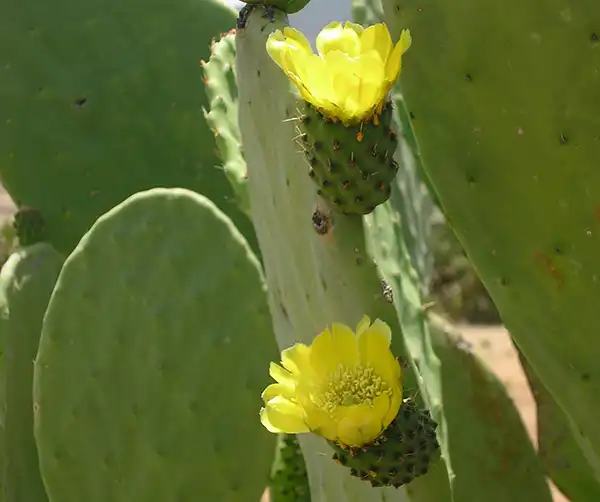 Nopal flower (EXFOLACTIVE®)
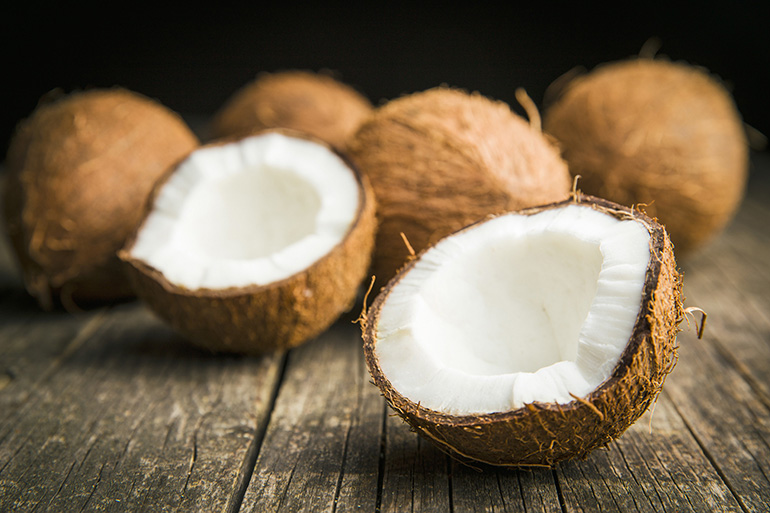 Coconut (SENSORIALINE®)